
Replacing an asbestos roof is the preferred option for may clients, but be aware that there are advantages and disadvantages to this approach.
The MCRMA has guidance on this and there are relevant British standards (BS 5427)
Advantages of replacement:
• Air tightness and thermal performance levels similar to a new building can be achieved for that element.
• Can be completed with tenants in-situ if managed correctly.
• Can be quicker than coating but is weather dependent.
• Improved EPC and roof is generally upgraded to current regulations.
• A more robust solution than coating or overcladding.
•Asbestos is completely removed.
•New ceiling liner appearance is aesthetically better than previous ceiling liners.
• Redecoration liability removed to liners until needed.
Disadvantages:
• Consideration to rainwater drainage should be given and sometimes upgrades are needed.
• The existing structure should be assessed by a structural engineer to confirm the proposed specifications suitability.
• Statutory considerations such as planning permission and building regulations.
• Air testing, specialist cleaning and polythene sheeting is needed in some cases if tenants in situ.
• Alteration works maybe needed to accommodate the works such as removing windows, raising parapets etc.
• Most expensive option.
• Higher level of disturbance.
• Takes longer than overcladding and can take longer than coating but depends on weather and the system.
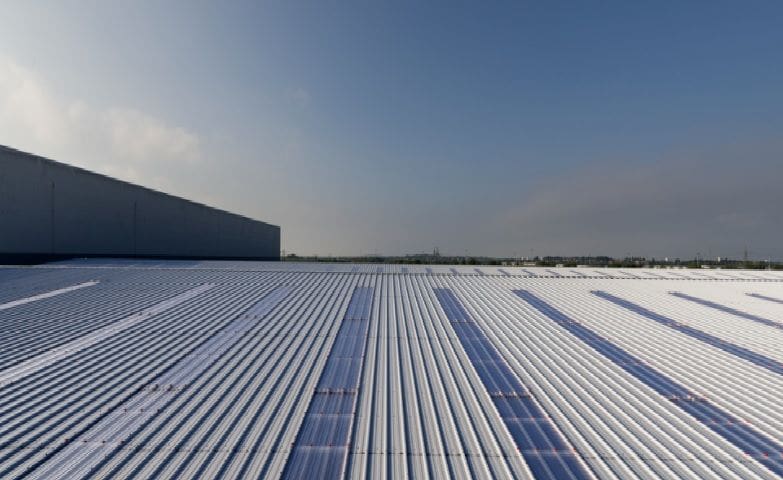
If you are considering replacing an existing asbestos roof, we provide a full managemenbt service to help you.
This includes specification of the roof, managing a competitive tendering process to ensure you get the best value, management of the works and of course, maintaining the health & safety file.
The health and safety file contains all of the information about your roof – not only the new elements, but also provides a paper trail showing that the old asbestos roof was correctly removed and disposed of.
Our fee is typically calculated on a percentage of the total cost of the works and is usually recouped by savings made at the tendering stage, so is often cost-neutral.
But tendering isn’t only about price. It also considers contractor’s experience, competence and even their ability to fund the works as they progress.
It is common for contractors to request stage payments, or most usually, monthly or more regular valuations.
An important part of the service therefore, is regular valuations, to ensure that the client only pays for materials and works that have actually been completed at the various valuation stages.
For more details on this service, please call 0121 711 7110 and ask for David Carter.
Recent Comments